
By Dr. Gina Maccarone, MD, FACS, FAACS
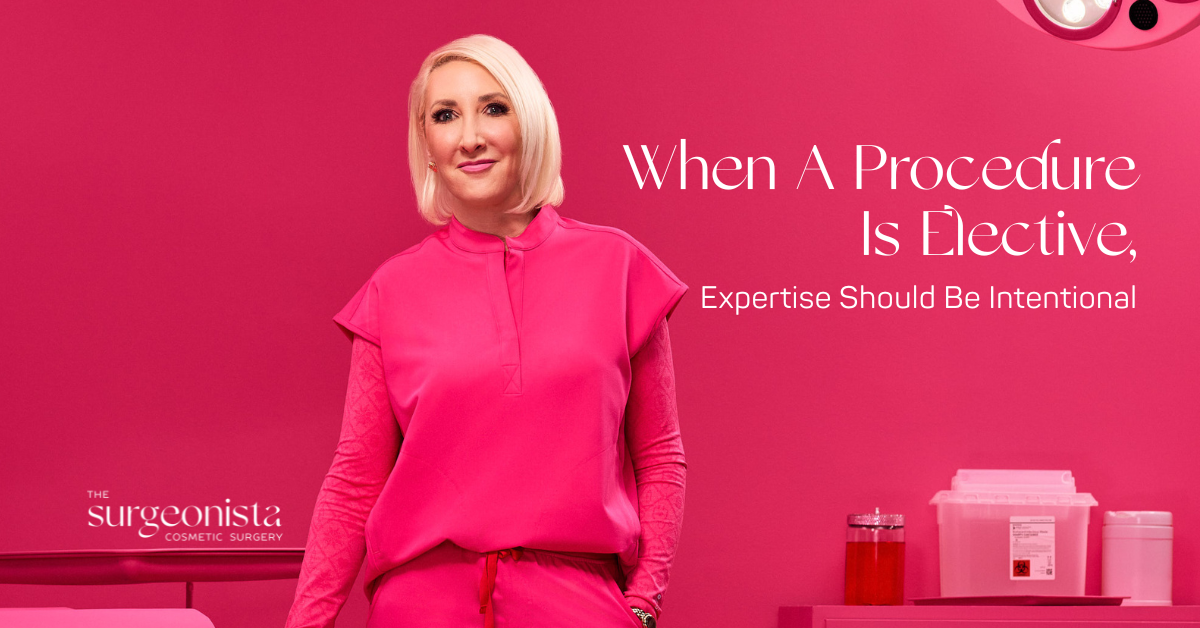
When it comes to cosmetic surgery, one of the most important decisions you’ll make has nothing to do with the procedure itself. It’s the decision of who will guide you through it.
Elective aesthetic procedures are, by definition, optional. They’re chosen thoughtfully, not out of urgency. And when a decision is voluntary, personal, and deeply connected to how you see yourself, the expertise behind it should be just as intentional.
Elective Care Is Different by Nature
Elective cosmetic surgery is not about repair or restoration. It’s about refinement. It’s chosen when you’re healthy, stable, and proactive, not when something is medically urgent. That distinction matters.
In elective care, there is no margin for “good enough.” The goal isn’t simply a successful surgery. It’s a result that feels balanced, natural, and aligned with your identity. That level of nuance requires focus, repetition, and aesthetic judgment developed over time.
Why Focused Expertise Matters
Subtle outcomes don’t happen by accident. They’re the result of thousands of decisions made before, during, and after surgery. They are decisions shaped by experience, pattern recognition, and restraint.
A cosmetic surgeon who works exclusively in elective aesthetics spends every day refining proportion, symmetry, and detail. Over time, that repetition builds an instinctive understanding of what looks natural, what will age well, and when less truly is more. This is especially important in procedures where the goal is not obvious change. When results are meant to look effortless, the expertise behind them has to be exacting.
The Difference Between Doing Many Things, and Doing One Thing Well
There is value in many forms of surgical training, but elective cosmetic care requires a specific mindset. It asks for patience, discernment, and the ability to say no when something isn’t the right fit. Specialists in cosmetic surgery are trained to approach each procedure as a collaboration, one that considers anatomy, lifestyle, long-term aging, and emotional readiness. The goal is not to transform, but to support and refine in a way that feels authentic.
When a procedure is optional, specialization becomes an advantage.
Why Subtlety Is a Skill
Patients often tell me their greatest fear is looking “overdone.” That concern is valid, and it’s one I take seriously. Natural-looking results require precision, restraint, and an understanding of how small changes can have a large impact. They also require the confidence to stop before too much is done. That confidence comes from focused experience, not urgency.
In cosmetic surgery, what you don’t do is often just as important as what you do.
Choosing a Partner, Not Just a Provider
Elective aesthetic care is not transactional. It’s a process that unfolds over time, often in stages, and evolves as you do. The right surgeon doesn’t rush decisions or push timelines. They listen, educate, and help you determine what makes sense now, and what might be better addressed later, or not at all.
That level of guidance is built on trust and alignment, not pressure.
Final Thoughts from Dr. Gina
When you choose cosmetic surgery, you’re choosing to invest in yourself, on your own terms. That choice deserves a surgeon whose expertise is intentional, focused, and aligned with elective care.
Subtle, natural results don’t come from doing everything. They come from doing the right thing, at the right time, for the right reason.
If you’re considering a cosmetic procedure, I encourage you to ask not just what can be done, but who is best suited to guide you through it. The right expertise will always respect your goals, your timing, and your individuality.
Xo,
Dr. G.